Mumbai, March 2026
With Gartex Texprocess India and the co-located Denim Show opening in Mumbai from April 9 to 11, the conversation among Indian denim producers has shifted noticeably toward automated finishing. Laser systems, ozone machines, and low-liquor washing units now dominate trade show floor plans in a way they did not even three years ago. For an industry producing over 1.1 billion metres of denim fabric annually, the timing is deliberate.
India's denim market was valued at roughly $5.4 billion in FY2024. Multiple market projections place it near $13.7 billion by FY2030. But that growth will not come simply from adding more looms. International buyers, particularly European and American brands, are tying sourcing decisions to sustainability compliance. Manufacturers who cannot demonstrate reduced water and chemical usage in garment finishing are finding themselves dropped from vendor shortlists.
Why Laser Finishing Is Gaining Ground
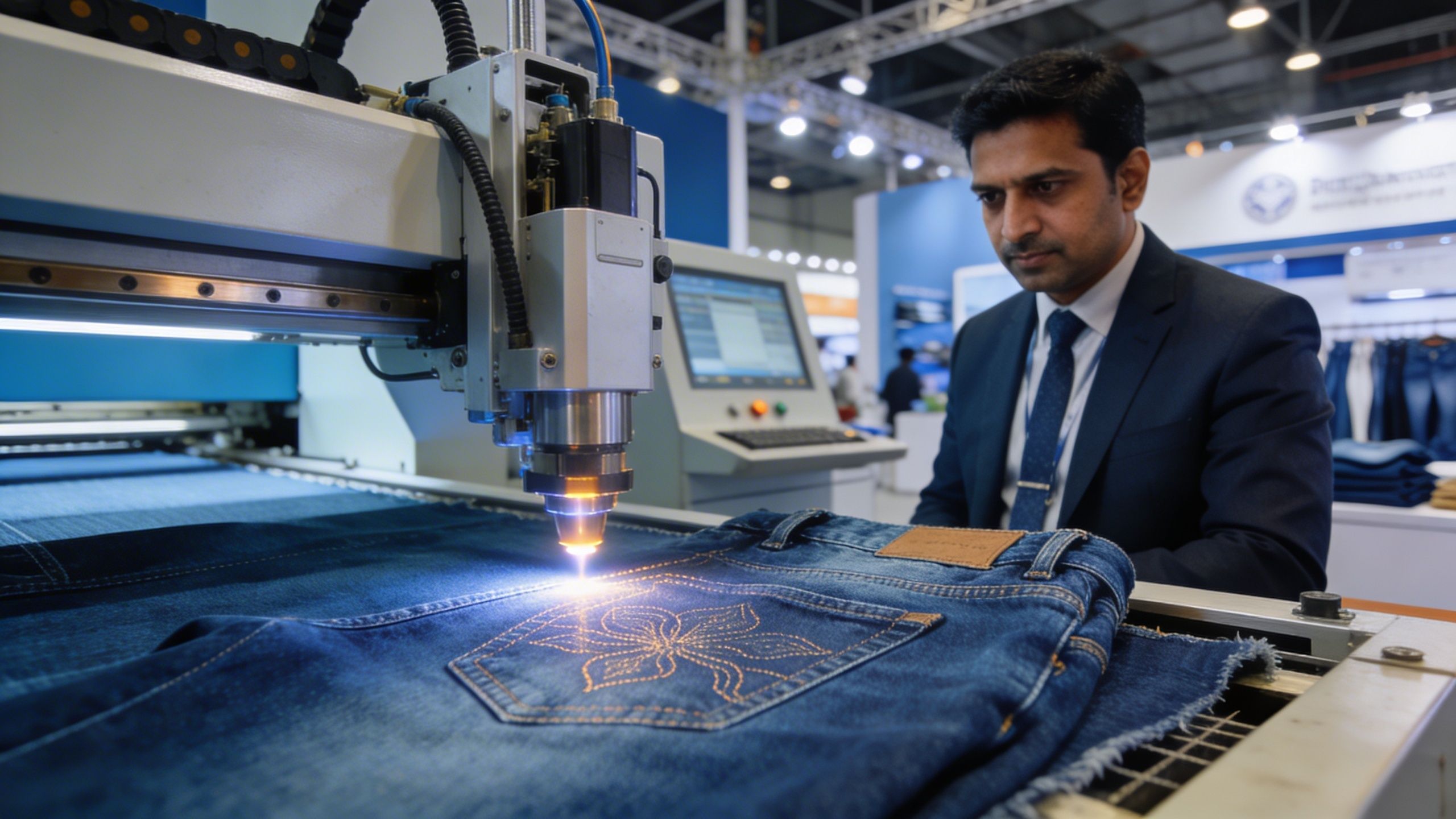
Laser finishing addresses this directly. The technology replaces manual sandblasting and potassium permanganate treatments with a programmable light beam that fades, distresses, and patterns denim in seconds. A single laser unit can process up to 100 garments per hour. Beyond speed, it eliminates the silica dust exposure that has caused silicosis among garment workers for decades.
Italian machinery maker Tonello, whose finishing systems are used in denim laundries across Gujarat and Bangalore, has seen growing demand from Indian manufacturers looking to combine laser with its ozone and nebulizing technologies. Magnum Resources, which represents Tonello in India, reports that enquiries from mid-size denim processors doubled over the past year. Much of the interest comes from units that currently rely entirely on manual finishing and want to upgrade without overhauling their entire production line.
Adoption Across India
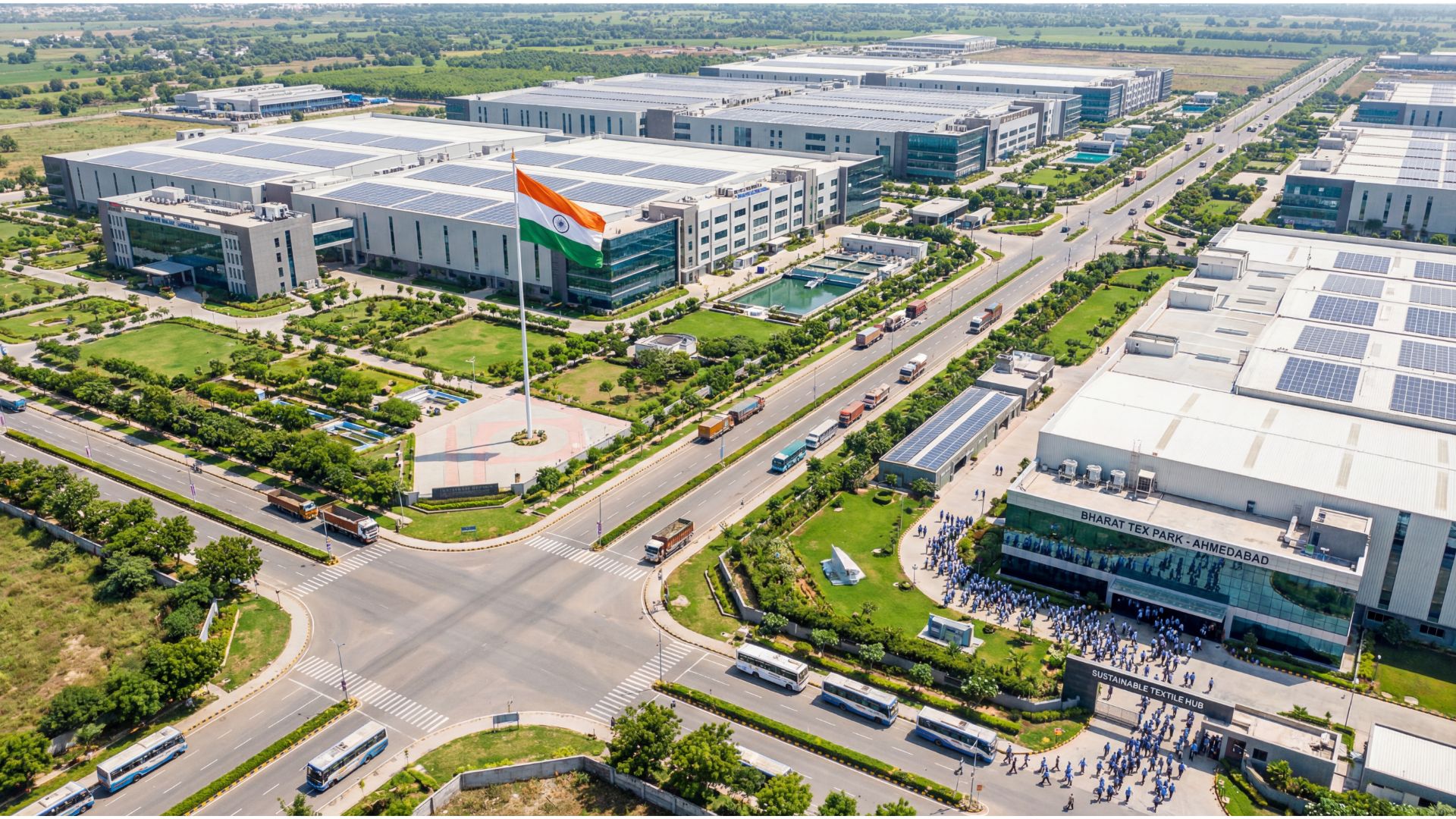
Gujarat, which accounts for 60 to 70 percent of India's denim fabric output, remains the primary adoption centre. But the shift is also visible in Tamil Nadu and Punjab, where garment finishing units serve export clients with strict environmental mandates. Several facilities in Tiruppur and Ludhiana have installed laser and ozone systems in the past 18 months, according to industry contacts.
The cost question remains real. A commercial-grade laser unit runs upward of $200,000, and smaller processors hesitate at that outlay. But manufacturers who have made the investment report payback periods of 12 to 18 months through reduced water bills, chemical costs, and rework rates. One Ahmedabad-based unit told industry publication Fibre2Fashion that its water consumption per garment dropped by more than 70 percent after switching to a laser-ozone workflow.
What's Ahead at Gartex Mumbai
Gartex Mumbai, which runs alongside the Denim Show at Bombay Exhibition Centre, will feature sessions on zero-waste textile production and AI in apparel manufacturing. For denim processors still running manual finishing lines, the clock is ticking. India's per capita denim consumption sits at about 0.4 pairs of jeans per year, compared to two or three in Western markets. As that number climbs, the factories that can scale sustainably will capture the growth. The ones that cannot will lose orders to those that can.