New Delhi, March 2026
The Indian Textile Ministry released a detailed mapping of the country's textile waste value chain earlier this month — the first government-backed effort to document where discarded fabric actually ends up. The report arrives as Extended Producer Responsibility (EPR) regulations for textiles gain regulatory traction, forcing manufacturers and brands to account for end-of-life garments and factory offcuts.
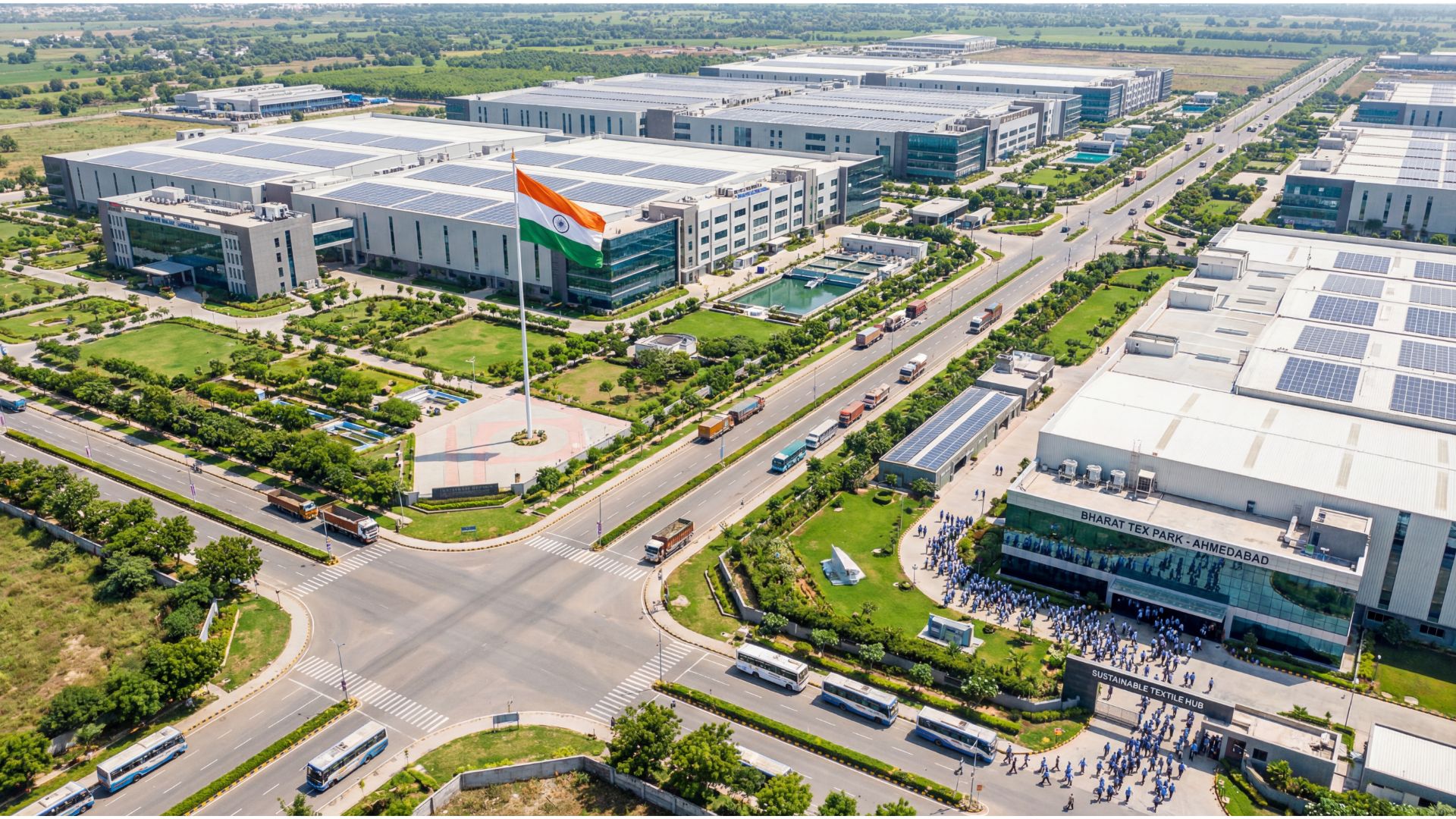
India generates millions of tonnes of textile waste annually, but until now, most of it moved through informal channels. Panipat, long known as the country's recycling capital, processes a significant share of this waste through mechanical methods. The Textile Ministry's report attempts to put numbers and routes to what has historically been an opaque supply chain, covering collection, sorting, mechanical recycling, and the small but growing chemical recycling segment.
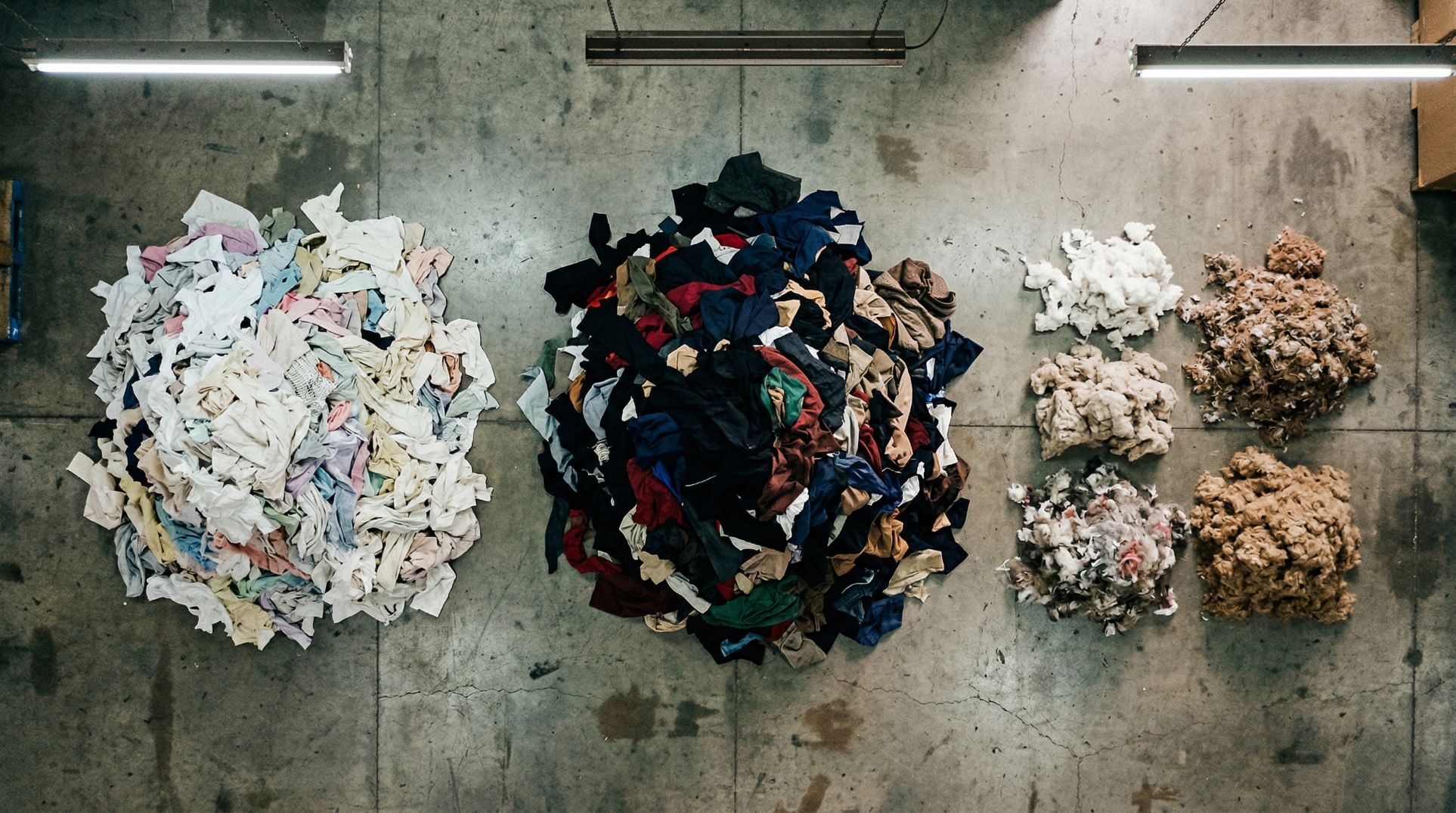
The timing matters. The government has been signalling for over a year that textile EPR is coming, and the report reads like groundwork for enforcement. It identifies gaps in collection infrastructure, highlights the absence of standardised sorting protocols, and flags the technology deficit in processing blended fabrics. Cotton-polyester blends, which make up a large portion of Indian textile waste, remain difficult to recycle without advanced shredding and fibre separation equipment.
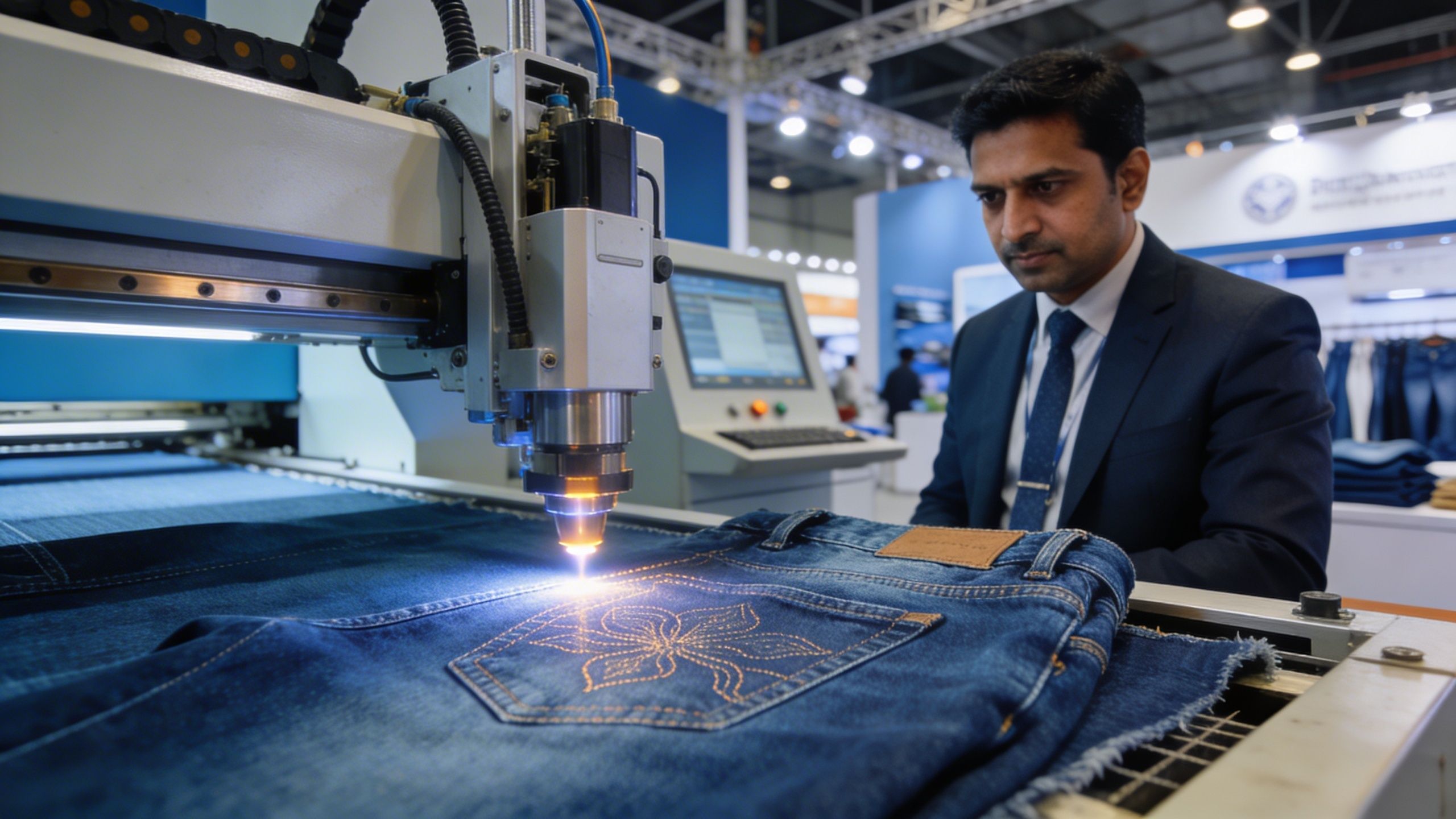
That equipment gap is where automation enters the picture. Manual sorting and cutting dominate most recycling units in Panipat and smaller clusters, but the volumes EPR will demand are beyond what hand-operated processes can handle efficiently. Industrial guillotine cutters, shredders, and fibre openers designed for high-throughput waste processing are seeing increased interest from recyclers who need to scale up. Magnum Resources, which represents LIDEM of Spain in India, has reported a noticeable uptick in inquiries from recyclers preparing for the regulatory shift. LIDEM's machines are built specifically for textile waste cutting and fibre opening at industrial volumes.
The economics are shifting too. GRS-certified recycled yarn from Indian facilities now supplies European and American brands trying to hit their own sustainability targets. Panipat alone has begun transitioning from basic shoddy production toward certified circular yarn manufacturing. But scaling this requires consistent feedstock, which means better upstream processing of raw waste.
The Textile Ministry has not announced a formal EPR implementation date, but industry bodies like CITI expect draft rules within the current financial year. For recyclers and textile mills, the window to invest in processing capacity is narrowing. The waste mapping report makes one thing clear: the government now knows where the gaps are.