Ahmedabad, March 2026
Laser finishing and AI-driven process control have moved from pilot projects to production floors across India's denim manufacturing belt. Multiple industry reports published this month confirm that waterless and low-chemical finishing technologies are now standard equipment for mills chasing export orders — not experimental add-ons reserved for trade show demonstrations.
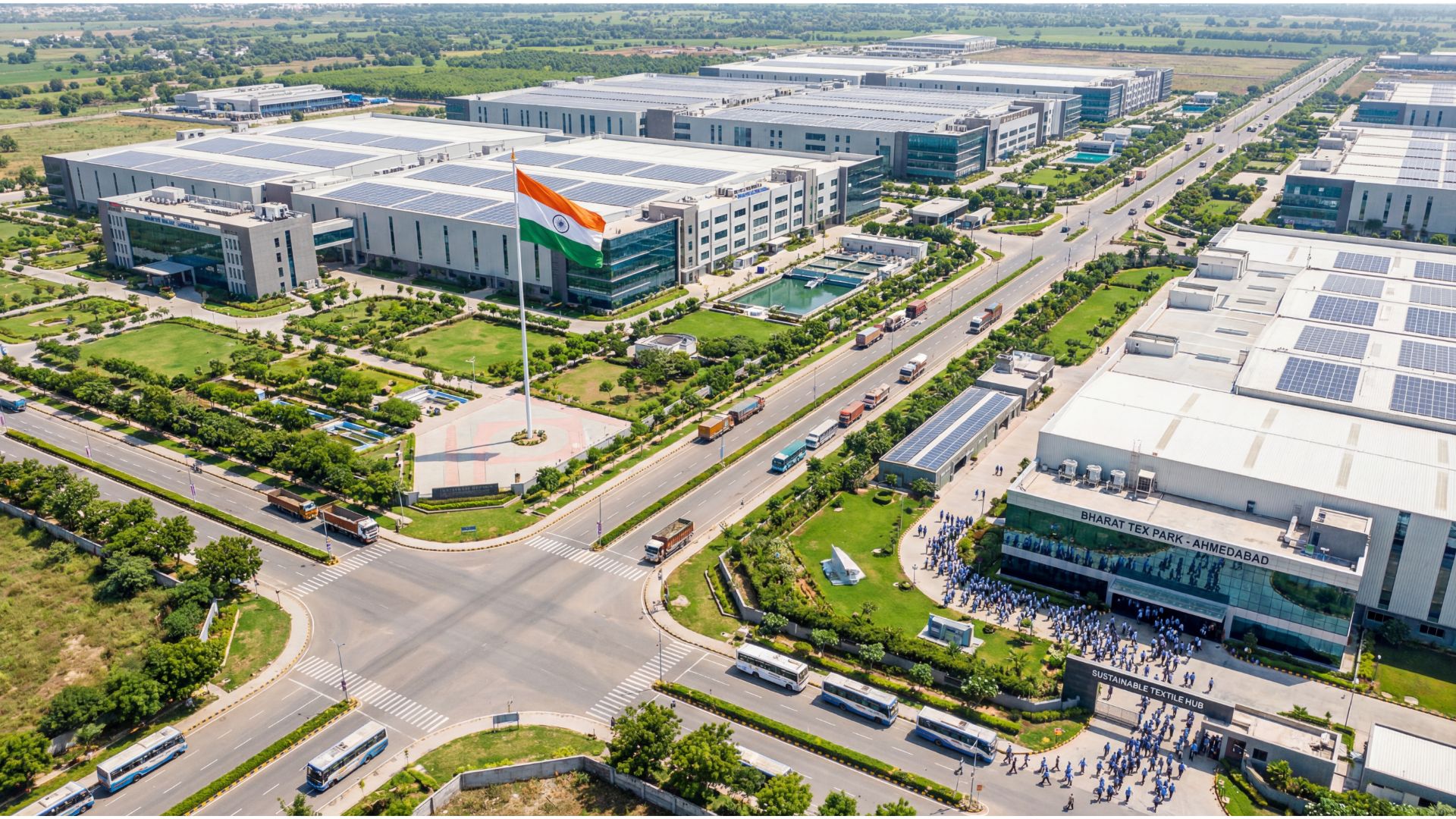
The shift is most visible in Gujarat, which accounts for 60 to 70 per cent of India's denim fabric output. The state's manufacturing clusters around Ahmedabad produce over 1,600 million metres of denim annually, making India the world's second-largest denim fabric producer after China. But production volume alone no longer wins orders. Global brands have tightened sustainability requirements for their supply chains, and Indian mills that cannot demonstrate reduced water and chemical usage are losing ground in procurement cycles.
The Indian denim market was valued at roughly USD 5.4 billion in FY2024 and some estimates project it could reach USD 13.7 billion by 2030. Domestic consumption remains low at about 0.4 pairs of jeans per person per year, well below Western markets, which means much of the near-term growth depends on exports. That export dependence makes technology adoption not optional but necessary. European and American buyers increasingly ask for lifecycle data, water consumption metrics, and chemical usage records before placing orders.
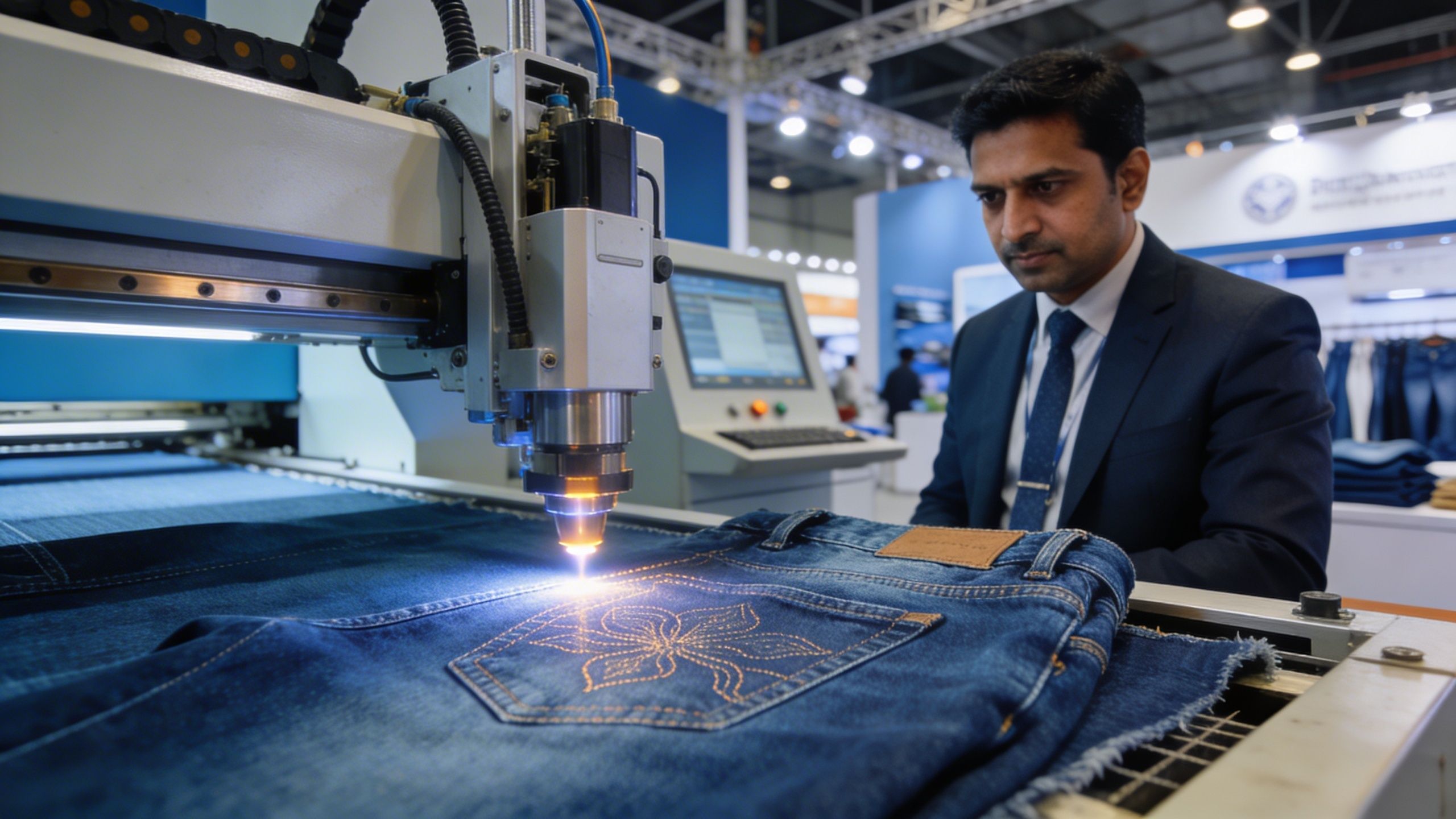
Laser machines handle whisker patterns, fading effects, and distressing that once required manual sandblasting or chemical washes. Ozone systems replace the bleaching stage in many finishing sequences. AI software now optimises laser paths and wash recipes to minimise resource use while maintaining the look buyers specified. The combination cuts water consumption in a typical finishing cycle by 50 to 70 per cent compared to conventional methods, according to equipment manufacturers.
Magnum Resources, India's authorised partner for Tonello of Italy, has seen sustained demand from Gujarat and Bangalore denim clusters for laser finishing and ozone systems. Tonello's machines are already running in several mid-size and large Indian laundries that serve export markets. The company says inquiries have picked up further this year as mills prepare for stricter Zero Liquid Discharge (ZLD) compliance deadlines.
Cost remains a real barrier for smaller units. A fully equipped laser finishing setup requires significant capital investment, and many smaller laundries in the unorganised segment still rely on conventional washing. Government schemes like the PLI for textiles, which has already attracted over Rs 7,300 crore in investments, could help bridge this gap, but the incentive structure currently favours man-made fibre production over finishing technology upgrades.
India ITME 2026, scheduled for December in Greater Noida, is expected to feature denim finishing technology prominently. For mills weighing the investment, the question is no longer whether to adopt laser and AI finishing, but how quickly they can get it operational before the next round of buyer audits.